ARTICLE
Lean Sensei: More Than Just a Teacher

The word sensei is often translated simply as “teacher.” But does this definition fully capture what a sensei truly represents? In the context of Lean transformation and organisational excellence, the term goes far beyond its literal translation. To better understand the depth and diversity of a true teacher’s role, we can look to ancient Sanskrit classifications, which offer nuanced distinctions between different kinds and levels of educators.
Lessons from the Toyota Production System
The Toyota Production System (TPS) is a prime example of a company’s relentless pursuit of improvement. Over decades, Toyota has refined its processes to better meet customer needs, tackling countless challenges along the way. While many consultants and coaches achieve incremental improvements using Lean principles, their results rarely match the transformative outcomes Toyota has consistently demonstrated—both in operational efficiency and financial performance. Why is that? Because true Lean transformation requires more than tools and techniques. It demands deep, practical insight and the kind of hands-on guidance that only a seasoned sensei can offer.
Beyond Tools and Templates
Organizations often engage trainers, consultants, or teachers to guide them on their Lean journey. However, the impact of these efforts are directly tied to the capability and experience of the guide. You can’t simply replicate Toyota’s success by templating its methods — every business operates in a unique context. Customer expectations, regulatory environments, geographical and political conditions, internal culture, talent availability, and leadership mindset all vary significantly.
This is why templated approaches and tool-based modules typically deliver limited results. A successful Lean journey must be tailored to the specific challenges and opportunities of the organisation. It takes an experienced sensei—someone who has led real transformation from within—to navigate this complexity.
The Sanskrit Lens: Types of Teachers
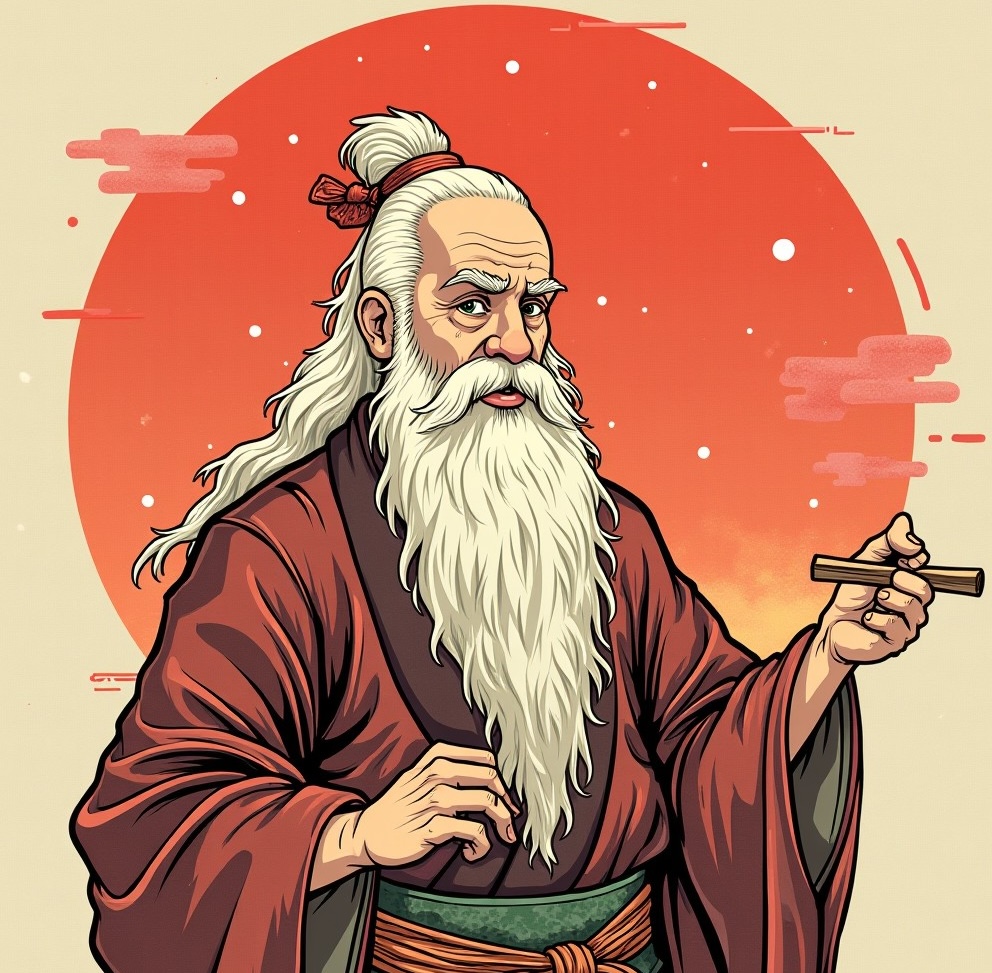
The richness of the Sanskrit tradition offers a powerful framework for understanding the different roles a teacher can play:
-
Adhyapak – The one who provides information.
-
Upadhyaya – The one who imparts knowledge, integrating information meaningfully.
-
Acharya – The one who teaches skills and practical application.
-
Pandit – The one who offers deep insights into a subject.
-
Dhrishta – The one with a visionary perspective who teaches others to think critically and creatively.
-
Guru – The one who awakens inner wisdom and leads the learner from ignorance to understanding.
A true sensei in the Lean context often embodies several, if not all, of these roles. They are not just educators—they are visionaries, mentors, and change agents.
The Rare Quality of a True Sensei
The most impactful sensei is one who has personally led transformations—preferably from the CEO’s chair or another high-impact operational role. This hands-on experience at the helm of a conventional company undergoing Lean transformation offers a depth of understanding that cannot be replicated by theoretical knowledge alone.
Such individuals are rare, but they possess a unique blend of experience and wisdom. They are not just instructors—they are Acharyas, Pandits, Dhrishtas, and Gurus, all in one.
Keep reading
More on Leadership